Yacht Buying Guide: From Your First Brief to Handover
Buying a yacht involves more than choosing a design. This guide sets out the questions to work through, the information to request and the decisions to make before taking the next step.
Begin the guideBEFORE YOU BEGIN
A clearer course,
one decision at a time.
A purchase brings together lifestyle, technical and practical decisions. This guide gives each one its proper place, so the excitement of finding a yacht is matched by confidence in owning it.
Use this as a conversation framework. The particulars of a yacht and transaction should always be confirmed with qualified specialists.
YOUR COURSE
WALIDIA / OWNERSHIP
Begin with the life you want aboard.
A useful brief describes the experience before it describes the yacht.
Set out where you hope to cruise, who will join you, how often you expect to use the yacht and what you value most on board. Guest accommodation, accessibility, range and deck space become easier to weigh when each is tied to a real plan. Keep three figures in view: the purchase budget, an allowance for work before use and a vessel-specific operating forecast.
Questions worth asking
- Where and how will the yacht be used most often?
- Which requirements are essential, and which are preferences?
- What can you allow for initial work and ongoing ownership?
TAKE WITH YOUA clear brief makes the shortlist smaller—and more meaningful.
Look beyond the headline specification.
Two yachts of similar length can offer very different lives at sea.
First establish whether a page describes a manufacturer model, a new-build opportunity or a particular pre-owned vessel. Confirm identity, location and current status. Then compare layout, condition, maintenance history and suitability for your intended use. A viewing tests the spaces; current records and a consistent set of notes make the candidates easier to compare afterward.
Questions worth asking
- Does the layout suit the people who will actually be aboard?
- What do the records reveal about care and recent work?
TAKE WITH YOUCompare suitability and evidence, not just dimensions.

Make room for proper due diligence.
The closer a yacht comes to your plans, the more important independent scrutiny becomes.
Agree the scope, exclusions, access, deliverables and fees for a marine survey and, where appropriate, specialist inspections and a sea trial. Ask qualified advisers to review ownership and registration documents, operational records and the proposed transaction terms. Put conditions and outstanding questions in writing before a commitment is finalised.
Questions worth asking
- What remains unverified, and who is best placed to verify it?
- Which findings must be resolved before proceeding?
TAKE WITH YOUConfidence comes from documented answers, not assumptions.
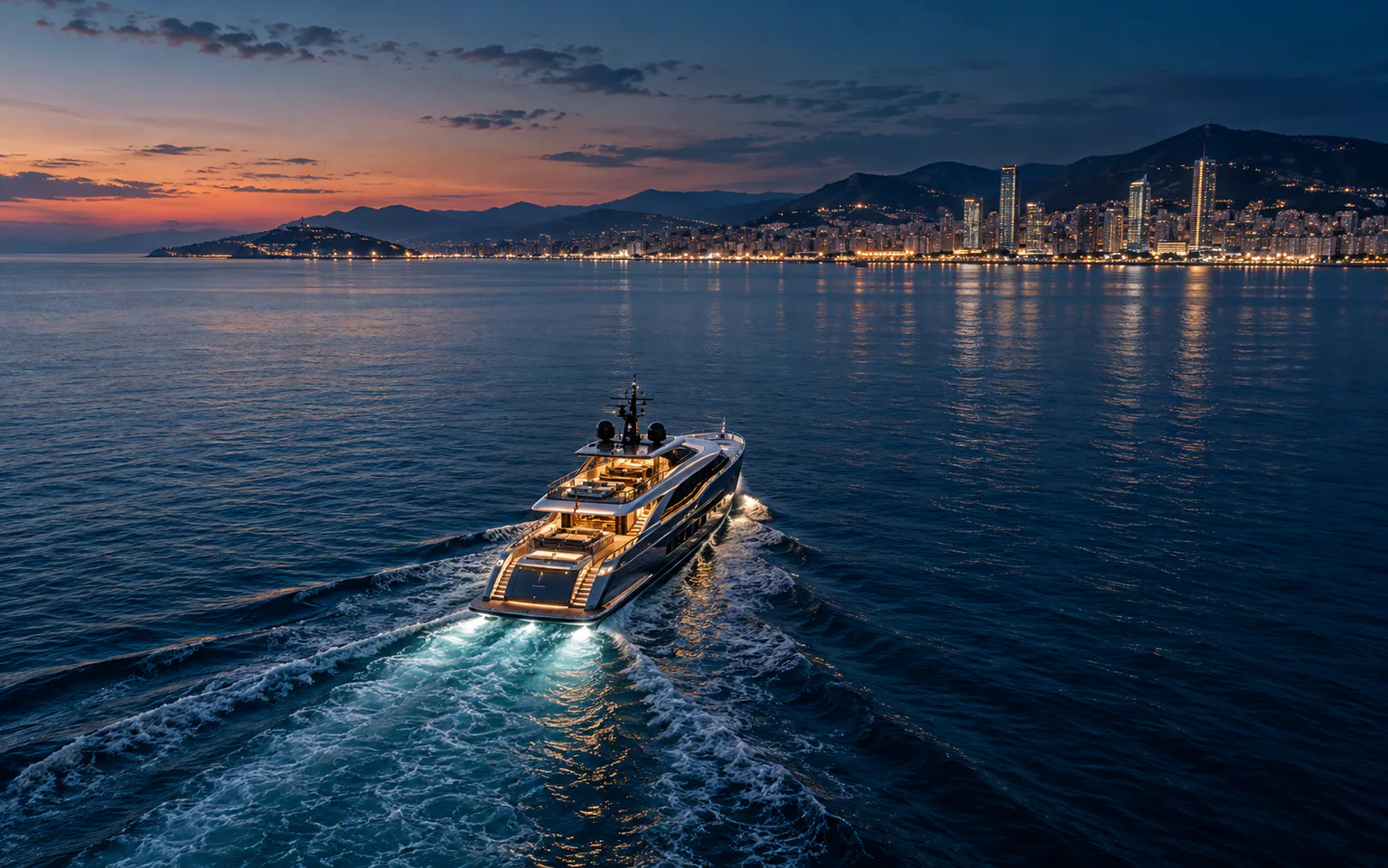
Prepare for the first voyage—and beyond.
Completion is a beginning, not the end of the buying process.
Plan the practical transition early: crew, insurance, berthing, management and any work needed before use. Confirm what is included in delivery and how records, equipment and responsibilities will be handed over. The ownership plan should be as considered as the purchase itself.
Questions worth asking
- What needs to be in place before you can use the yacht?
- Who will coordinate the handover and ongoing operation?
TAKE WITH YOUA well-planned handover makes ownership feel effortless sooner.
WALIDIA / FURTHER DETAIL
The detail, made clear.
Review the essential context, then open only the chapters that matter to your decision.
01Define the brief+
Write down who will use the yacht, where you expect to cruise and how often you intend to be aboard. Separate essential requirements from preferences. Cabin arrangements, usable outdoor space and crew needs may matter more to your experience than overall length.
02Plan the ownership budget+
Set a purchase range and discuss the ongoing costs separately: berthing, crew where required, insurance, maintenance and running expenses. Obtain current, vessel-specific estimates. Tax, registration and import questions depend on the transaction and should be reviewed by appropriately qualified advisers.
03Compare actual vessels+
Ask whether specifications describe the yacht being offered or a generic manufacturer model. Request current photographs, equipment information and available service records. Confirm the location, status and viewing arrangements before committing to travel.
04Arrange independent checks+
Agree the inspection scope with the appointed specialist and understand what the report will and will not cover. A sea trial, technical survey and documentation review serve different purposes. Discuss findings and any further investigations before deciding how to proceed.
05Agree the transaction and handover+
Use transaction-specific professional advice for contractual and ownership matters. Clarify the inventory included, agreed conditions, payment arrangements and handover responsibilities. Plan the practical transition too: where the yacht will be kept, who will oversee it and what work may be needed.
06Questions to take to a yacht viewing+
Use the viewing to test the brief you wrote before arriving. Walk through how you would spend a day aboard: boarding, storing belongings, moving between decks, sharing meals and using accommodation. Ask which equipment is included and which items belong to the current owner. Photographs can introduce a yacht, but they do not resolve practical questions about layout, access or condition.
- Does the accommodation work for your usual group?
- Which maintenance records and equipment documents are available?
- What changes would you want before using the yacht?
- Which questions need an independent specialist rather than a sales answer?
07Keep a simple comparison record+
Compare shortlisted yachts against the same headings: intended use, layout, condition evidence, immediate work, location and overall budget. Record what is confirmed separately from what has been stated but not yet checked. This makes it easier to see why one option fits your requirements and avoids giving excessive weight to an impressive photograph or a single specification. Revisit the comparison after a viewing or inspection instead of relying on the first impression.
08Prepare for the first period of ownership+
Before handover, discuss who will receive the yacht, where it will be kept and how access, manuals and included equipment will be transferred. Identify any work that should be planned before your intended first trip. If you need management support, agree the responsibilities and approval arrangements rather than assuming they come with the purchase. The purchase agreement and qualified advisers should establish transaction-specific obligations; this guide is a planning aid, not a substitute for them.
FREQUENTLY ASKED
Questions,
answered.
01Should I buy new or pre-owned?+
The choice depends on timing, budget, specification preferences and tolerance for refit or maintenance work. Compare specific options against the same brief rather than assuming one route is always better.
02Does a viewing replace a survey?+
No. A viewing helps you assess suitability; a properly scoped independent survey investigates condition within its agreed limits.
03Is this legal or financial advice?+
No. This is a general planning guide. Obtain qualified advice for the specific contract, ownership, tax, registration and finance arrangements.
A clearer course starts with a conversation.
Bring us your plans, your questions and the yachts that have caught your eye. We can help turn what you have learned into a more personal search.
Speak with our team