01Islands and access
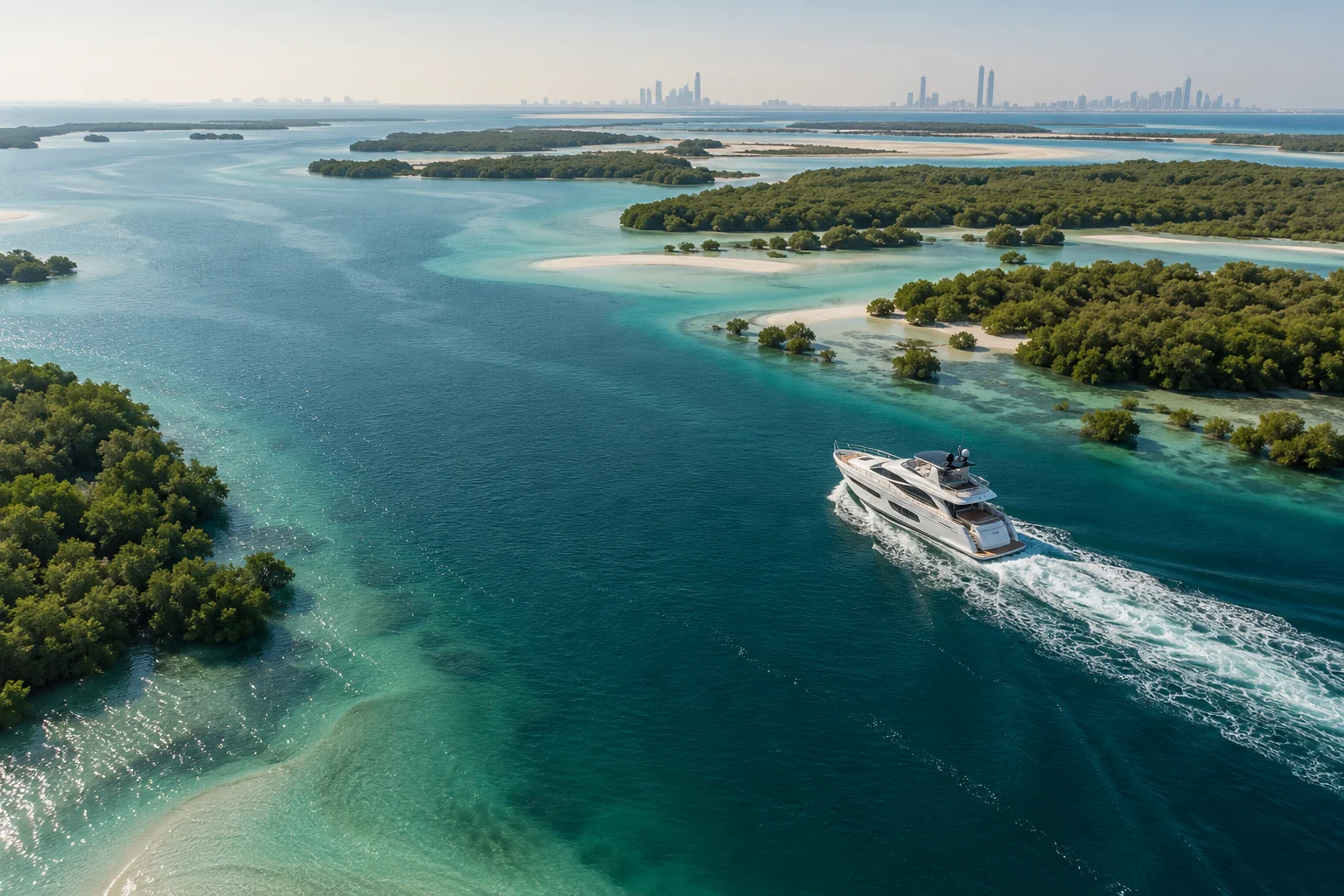
A route should follow the available time, guest comfort and conditions rather than a fixed list of landmarks. Treat each stop as proposed until the operator confirms access for the date.
- Set the pace first
Choose whether the priority is cruising, swimming, time ashore, dining or an unhurried gathering. That decision gives the route a useful structure.
- Confirm each meaningful stop
Ask about cruising time, anchoring or tender access, local permissions and the conditions that could change the sequence on the day.
Route suitability
Not every island suits every yacht or every group. The route depends on the vessel’s draught, the time available, the anchorage and how guests will reach the shore.
- Yacht and anchorage
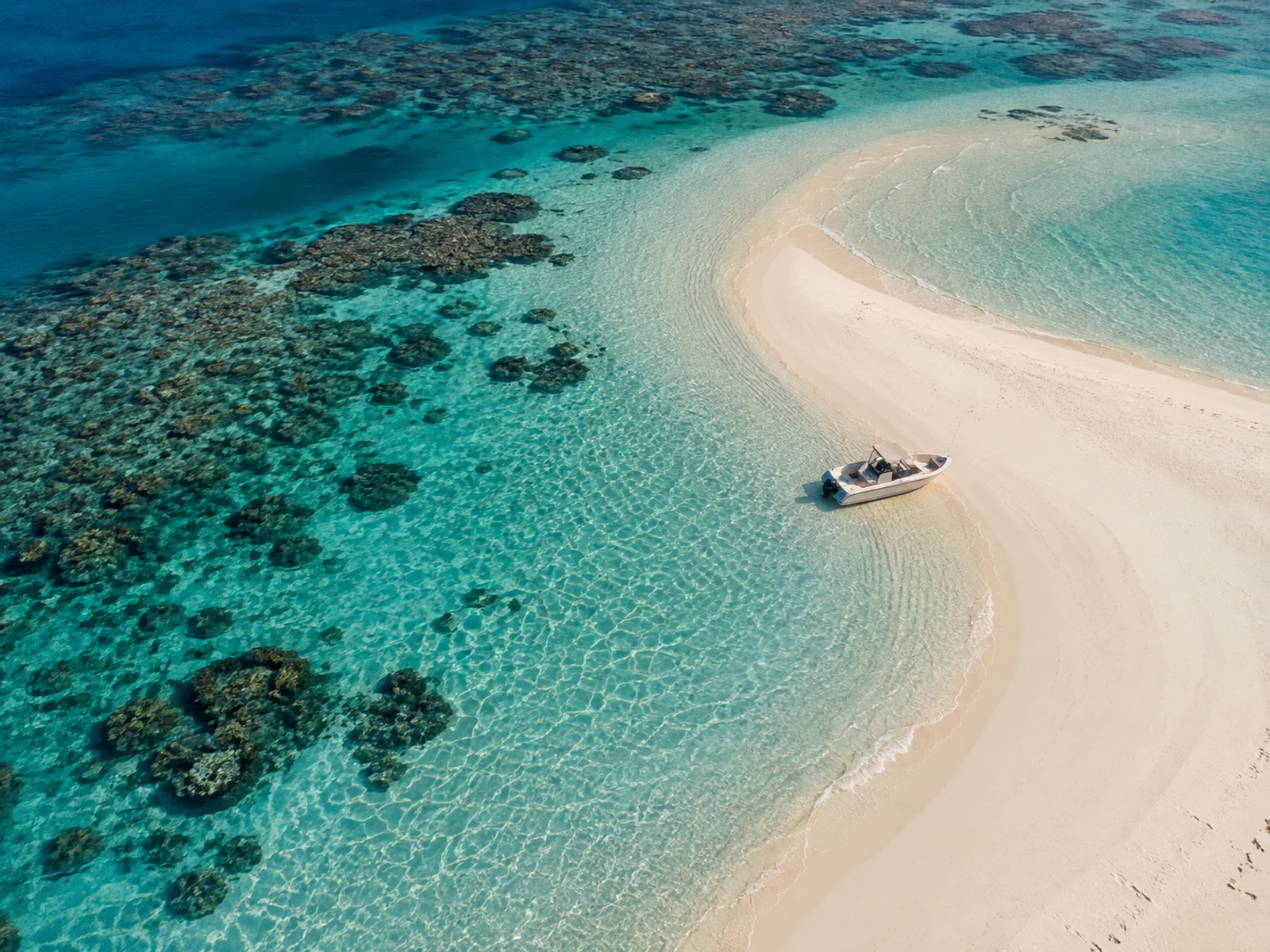
Ask whether the proposed yacht can anchor near each stop and how far guests would travel by tender to the beach.
- Time and comfort
Balance cruising time with time ashore, and consider shade, swimming conditions and guests who prefer to stay aboard.
Responsible visits
Conditions can change the safe or permitted version of the plan. Agree how the operator communicates changes, what alternatives may be offered and which cancellation terms apply before committing.
- Captain and operator decisions
The final route, access and operating decision rests with the responsible operator and captain. A requested stop or view is not a guarantee.
- A workable alternative
Ask what happens if wind, sea state, local restrictions or event controls affect the original plan, including how timing or cancellation is handled.